
The 2016 version of Microsoft Word for Mac is provided as a free download on our website. This Mac download was scanned by our antivirus and was rated as clean. This free Mac app was originally developed by Microsoft. The program is categorized as Productivity Tools. Pages is a user-oriented and well-designed word processor that provide all the necessary tools and features required to create eye-catching documents. Pages is a powerful word processor that lets you create stunning documents, and comes included with most Apple devices. And with real-time collaboration, your team can work together from anywhere, whether they’re on Mac, iPad, iPhone, or using a PC. See what’s new in Pages.
This step-by-step Pages timeline tutorial explains how to make professional timelines using the popular word processor for Mac.
Although primarily designed for processing text, Pages allows Mac users to also create basic timelines starting from a 2D Bubble Chart. However, the resulting visuals require manual formatting, which can prove time-consuming if you need to build more detailed plans or update them regularly.
Those who need to produce professional-looking visuals faster can try an online timeline maker such as Office Timeline's to simplify their work. Accessible from any browser, the tool enables you to quickly generate, edit and download your graphic as a native PowerPoint slide, which makes it easy to share and include in presentations. This tutorial shows how to create a timeline both manually in Pages and automatically with Office Timeline Online. If you wish learn how to make a Gantt chart in Pages for Mac, please see our Gantt tutorial here.
Which tutorial would you like to see?
How to manually make a timeline in Pages
1. Add a 2D Bubble Chart to your Pages document
Open Pages and select Blank Landscape from the template gallery to ensure you'll have enough room for your Gantt chart.
Go to Insert → Chart and select 2D Bubble from the menu that pops up. Pages will automatically generate a bubble chart that looks like the one in the image below:
2. Add your project data to the bubble chart
Click on the chart area and then on the Edit Chart Data button that appears.
In the Chart Data table that pops up, add your project data as follows:
i.List your project’s key events (milestones) in the first row, the one populated by default with the month name. Keep the milestone descriptions as short as possible as these will be later displayed on the graphic and you want them to be fully visible.
ii.Use the X column to enter the due dates for each milestone, as shown in the image below.
iii.In the Y column of each milestone, on the same row of the milestone's due date, add a digit such as 1, 2, 3, or 4. These numbers will act as plotting elements that set the milestone bubbles' vertical positioning on the chart. Bubbles that have smaller plotting numbers will be shown closer to the X axis, while those with bigger digits will be placed higher up on the chart.
iv.Lastly, in each milestone's Size column, enter a number like 10, 20, 30 to set the size of the corresponding bubble on the timeline. In my case, I used the value 20 for all my milestones.
After adding all the project data, the resulting chart looks will look this:
3. Format the graphic to optimize relevance and include key details
As you may have noticed, Pages has automatically added hours to the time series on the timeline’s horizontal axis. If you want to remove the hours for a cleaner look, select the chart area and then go to Axis → Value (X) in the Format pane on the right. Here, choose None from the Time dropdown menu under Value Labels.
Although the legend situated above the graphic gives information about the chart milestones, it may be hard to follow for the viewer. A more efficient way to communicate your milestones' details is to have them displayed directly on their corresponding bubbles. If you want to go with this suggestion, then you need to:
i.Remove the legend: Go to the Chart tab and unselect the box for Legend under Chart Options.
ii.Add bubble labels displaying the milestones’ descriptions and due dates: From the Series tab, tick the boxes for Show Series Name and Values, making sure to select X from the dropdown menu, as shown in the picture below:
Within the same tab, you can change the labels' position using the Location feature, or their date & time format from the Value Data Format section. In my example, I kept the centered placement of the label, but selected None from the Time dropdown menu.
Next, you will need to make the label text more visible by adjusting its size and color. Select all the milestone labels (Shift + Click) and use the Font options within the Bubble Labels tab on the right. I chose to change the font from Regular Helvetica Neue to Bold Helvetica and decrease it from 12 to 10 points.
Seeing that the numerical values from the vertical axis overlap some of the milestone titles and don’t add much to the overall meaning of the chart, I decided to remove them. To do the same, go to Axis → Value (Y) and select None from the dropdown menu under Value Labels.
You may also want to remove the horizontal lines from the graphic as they aren't really relevant to the timeline. To do this, from the Value (Y) tab, go to Major Gridlines and select None from the dropdown menu.
Adding vertical lines to the chart will help you highlight the relative distance between milestones. This is done from the Value (X) tab and requires you to:
i.Choose the type of gridlines you prefer from the dropdown menus under the Major and Minor Gridlines sections. I opted for straight gray lines of 0.5 points for both of them.
ii.Insert more intermediary vertical lines from the Axis Scale section, increasing the number of Minor Steps.
Given that the uppermost milestone of my timeline was not fully included in my gridline area, I corrected that by returning to the Value (Y) tab and setting the Max Scale value under Axis Scale to 5.
Once all the steps above have been carried out, the resulting timeline looks like the one below:
4. Customize your Pages timeline
At this point, your timeline could use a few customizations to look more unique. Here are a few suggestions:
Change the default colors of the chart bubbles - select the milestone you want to recolor, go to the Style tab and use the color indicator next to Fill. Here is how I set the chromatics for my graphic.
Add effects - from the same Style section, you can choose to apply a series of effects such as shadows and strokes. Make sure to select all the chart bubbles (Shift + Click) before making the styling change. Since I didn’t want to burden my graphic too much, I only added a simple black outline using the Stroke feature.
Add a title to your timeline - select the chart area, go to the Chart tab and tick the box for Title under Chart Options. If you want to change the font, size, alignment and color of the title text, double-click on it and use the options from the small pane on the right.
After following the steps above and adjusting sizes a bit more, my final timeline in Pages looks like this:
Download timeline template for Pages
How to make a timeline online automatically
Professionals can illustrate simple plans with timelines built in Pages, but they may encounter limitations in terms of customization and flexibility when dealing with more complex project data.
Creating professional visuals that can be easily updated becomes easier with Office Timeline Online . Allowing you to automatically generate an eye-catching graphic from any browser, the tool also offers a variety of features to help you quickly customize and update your timelines, which can then be downloaded and shared as a .pptx file or .png image. To get started, access the free online timeline maker here and follow the steps below.
1. Add your project's data in Office Timeline Online
Select Timeline from scratch from the New tab in the web app to start building your timeline. You also have the option to choose one of the pre-designed templates provided or to import a schedule from an existing Excel file. In my example, I chose to make a new timeline from scratch.
After selecting Timeline from scratch, you'll be taken to the tool's Data View, where you can enter and edit your project's details.
Enter your milestones and their due dates in the Data View section to generate your timeline in real time, the live preview of which can be seen on the right. Using the Data tab, you can also make a few preliminary styling choices, such as selecting the shape and color for each milestone. Once done, you can access your graphic in full size and personalize it further by clicking either on the preview image to the right or on the Timeline tab on the ribbon.
2. Quickly customize and update your timeline
Now that your timeline has been created, you can easily customize and update it as often as necessary. Use the Timeline View to quickly set different colors, shapes, and sizes for your milestones, move them above or below the timeband, or add extras such as Time Elapsed and Today Marker. As you can see in the image below, my final timeline includes milestones and texts of different colors and sizes, which helps me draw attention to key details of my plan.
If you have a free Office Timeline Online account, you can automatically save your timelines in the cloud, access them at any time, and instantly update them when necessary. Add and edit data in the Data tab or adjust due dates directly on the timeline, simply by dragging your milestones left or right. Once ready, your timeline can be downloaded as an editable PowerPoint slide that you can share with colleagues or present in meetings.
See how easy it is to make timelines with Office Timeline Online
Every major tech company out there is offering their version of the productivity suite. Apple provides iWork suite of productivity apps. Google’s G Suite is fiercely popular. While Microsoft’s Office 365 bundle is considered as Gold standard among all.
Cloud storage solution providers such as Dropbox and Box are providing word-processing software such as Dropbox Paper and Box Notes for seamless sharing and collaboration. Newcomers such as Notion, Coda, and Airtable are trying to change the game with modular approach, but nothing beats a native experience.
Microsoft is steadily improving Word experience with more features. Recently, Apple pushed a big update to iWork apps, including Apple Pages. Google is slow in this regard, but it’s getting there with small additions.
We have already covered a detailed comparison of Microsoft Word to Google Docs, and in this post, we will pit Microsoft Word against Apple Pages. The comparison will focus on interface, features, sharing, collaboration, price, and more. Let’s get started.
Availability
After becoming CEO of Microsoft, Satya Nadella laid out ‘Mobile First, Cloud First’ vision. And as a result, Microsoft Word is available everywhere. You can access the software on iOS, Android, Mac, Windows, iPad, and even Web.
As its case with every Apple software, Apple Pages is limited to iOS, Mac, and iPad. The comparison below focuses on the Mac version.
Templates and User Interface
Both Microsoft and Apple offer plenty of default templates. After comparing them side by side, I found Word’s template list was richer and versatile. Apple Pages provides generic and basic ones such as Business Letter, Resume, Invoice, etc.
Nevertheless, you can always use third-party templates from the web.
Let’s talk about User Interface for a bit. If you have used a past version of Microsoft Word before, then you will feel right at home with 2019 Word look.
The familiar toolbox is at the top with relevant sections. I felt Microsoft Word’s interface was a bit outdated compared to today’s standards. However, it’s understandable why Microsoft doesn't want a drastic shift from interface since millions of its enterprise customers use the same software.
In comparison, Apple Pages look better. The editing options are at the right side and the ability to add table, charts, media, are at the top. It’s not cluttered like Word.
Also on Guiding Tech
11 Best Microsoft Word Online Tips and Tricks
Read MoreFunctions That Matter
Apple Pages perfectly gets the basics. You can add images, videos, tables, integrate stats, shapes, and more.
One can set a password to access a page for extra security. The default editing options remain straightforward. I recommend you master keyboard shortcuts for Word to fly through functionalities.
Microsoft Word is full of features yet the media add-on remains same as Apple Pages. The company has integrated other services such as Microsoft Translate and LinkedIn Resume Assistant. The assistant will guide you to make compelling resume edits.
There is also a researcher function which gets all the relevant information of the selected word from the web. Thesaurus features let you find the synonyms of a word to increase vocabulary.
You can also add a password to document, add equations, format pages with color, border, and add watermarks.
Storing Documents
You can save a document offline on Microsoft Word and Apple Pages. But that’s the thing of past, isn’t it?
Apple Pages is tightly integrated with iCloud. Once you hit the save button, the software will save it in the default iCloud folder. You can generate a sharable link and send a link to others. With iOS 13 and the upcoming Mac Catalina update, user can send the entire folders to others.
Microsoft Word is all about options. It’s not limited OneDrive only. You can save documents to Dropbox and Box too. The trick remains the same. Save a document to cloud, open it on other device, and start making edits again.
Also on Guiding Tech
How to Make a Fillable Form in Microsoft Word
Read MoreSharing and Collaboration
Sharing and real-time collaboration are essential in 2019. Microsoft has had online sharing since 2013 (With the help of OneDrive). Apple was a bit late to the sharing party.
Microsoft Word gives three options for sharing. You can send a copy to others using email. Upload a file to OneDrive and generate a sharable link from there. One can also invite others to make edits. You will see the real-time changes and the author’s name along with it.
Apple Pages takes advantage of Apple’s ecosystem. You can directly share a document using mail and iMessage. One can also send a document using Airdrop. It works seamlessly across Apple devices.
Of course, you can make permission changes and see the real-time edits made by others.
Export
Microsoft Word gives a few options here. You can export a doc as pdf and HTML file. The software also lets you make a basic layout of the document and export it as a template. Using default reduce file size function, one can decrease the file size by compressing added images before exporting or sending it to others.
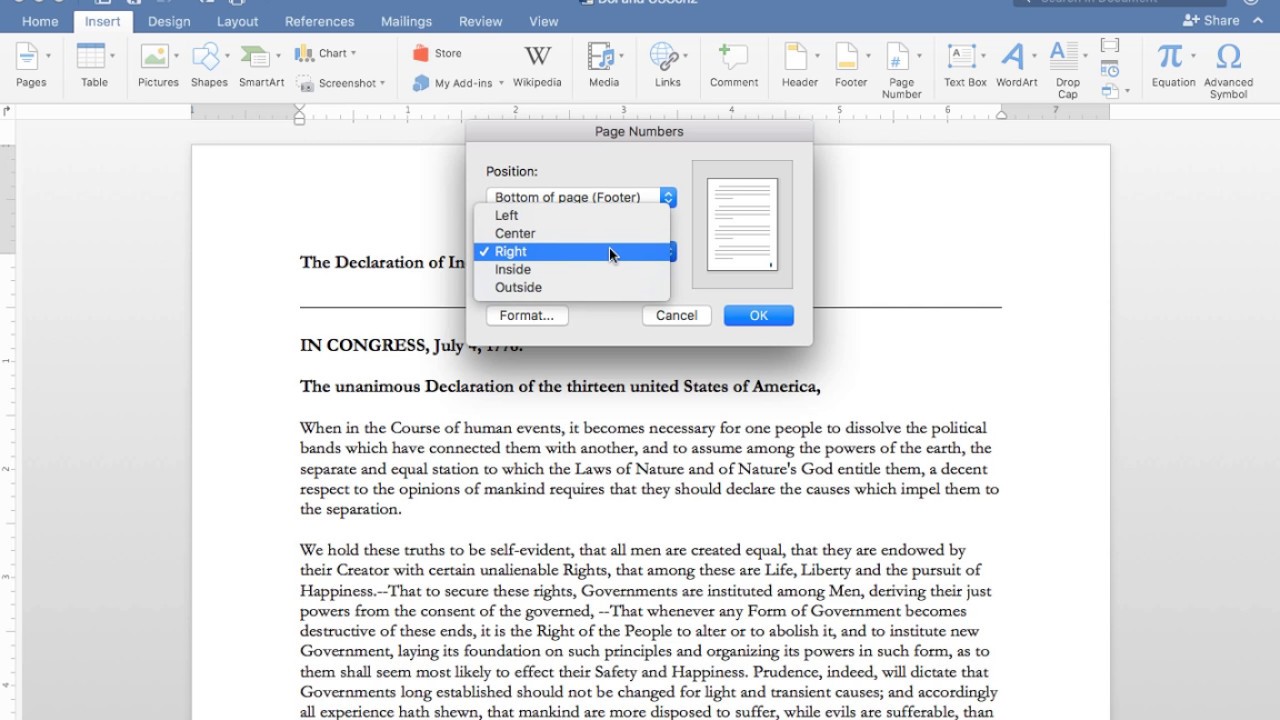
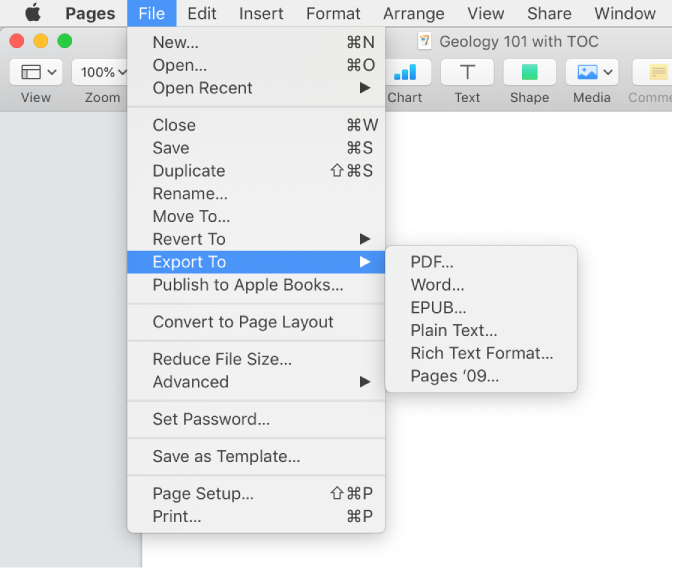
Similar to Microsoft Word, you can export a page as pdf, Word file, EPUB file, plain text, and rich text bearing fancy elements. Apple also allows you to share the documents to Apple Books platforms from the app.
As always, you can save a page as a template for quick edits. This function is useful for making letterheads and default business letter style for your company.
Also on Guiding Tech
#productivity
 Click here to see our productivity articles page
Price
Apple Pages is completely free to use. The documents get stored on iCloud, which only offers 5GB of storage for free. You can buy additional space for $1/month.
Microsoft’s productivity suite of apps, including Word, is free for screen size less than 9-inch. Meaning, you can use the software for free on mobiles and tablets. To use the software on a laptop, one need to purchase Office 365 Personal, which costs $5/month. You also get 1TB of OneDrive storage for free with the bundle.
Choose the Best One
As you can see from the above comparison, Apple Pages weights on simplicity and basic functions. Of course, the functionalities aren’t as rich as MS Word, but it gets the job done.
Microsoft Word is universally available, more flexible on storage options, and offers more features out of the box. But at the same time, some may find it bloated. In that case, I would advise going for Pages and if that’s not the case with you, then go with Microsoft Word.
Next up: You can also edit images using Microsoft Word software. Read the post below to find out more.
See Full List On Apple.com
The above article may contain affiliate links which help support Guiding Tech. However, it does not affect our editorial integrity. The content remains unbiased and authentic.
Apple Pages For Mac: Download #1 Free Word Processor
Read NextHow to Edit Images Using Microsoft Word 2016Also See#productivity #appleDid You Know
As of March 2020, Microsoft Teams has over 75 million daily active users.
More in Mac
Top 4 Ways to Fix Mac Desktop Icons Missing or Not Showing