
- Default Password Root Mac Os X
- Default Root Password Mac Os X Snow Leopard
- See Full List On Wikihow.com
- Default Mac Os Wallpapers
We design Mac hardware and software with advanced technologies that work together to run apps more securely, protect your data, and help keep you safe on the web. And with macOS Catalina available as a free upgrade, it’s easy to get the most secure version of macOS for your Mac.*
Apple T2 chip.
The next generation of security.
The Apple T2 Security Chip — included with many newer Mac models — keeps your Mac safer than ever. The Secure Enclave coprocessor in the Apple T2 chip provides the foundation for Touch ID, secure boot, and encrypted storage capabilities. Touch ID gives you a seamless way to use your fingerprint to unlock your Mac, fill passwords in Safari, and make purchases with Apple Pay. Secure boot helps ensure that you are running trusted operating system software from Apple, while the Apple T2 chip automatically encrypts the data on your Mac. So you can be confident knowing that security has been designed right into the architecture of your Mac, from the ground up.
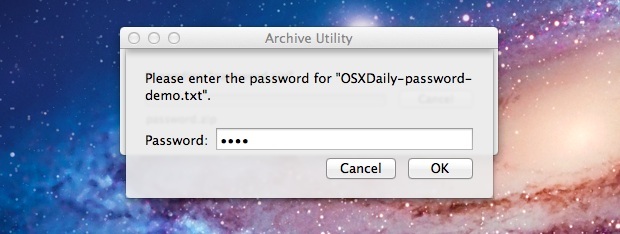
- I just installed PostgreSQL 9.2 from enterprisedb onto Mac OS X 10.8.2. I mistyped my postgres user password, so I can't connect. How do I reset the password?
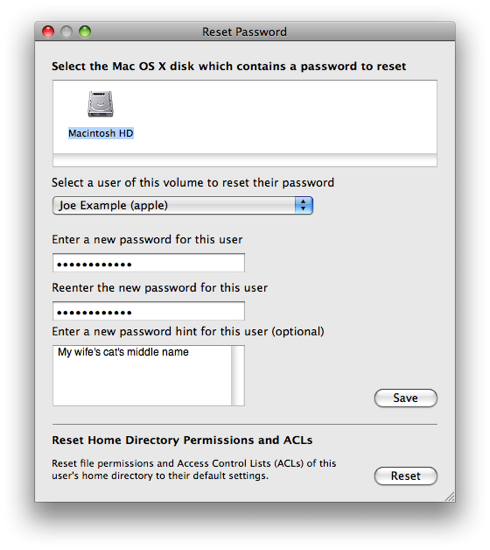
- (If the Mac has just the startup drive, that’s the only volume that will appear.) Locate the Select the User Account pop-up menu in the window and choose the user name that needs its password reset.
Mar 26, 2013 By default OS X will warn users of such practices and recommend strong passwords be used, but ultimately does not prevent users from setting whatever password they want. Now it asks to set a New password for Root user, type new password and hit enter/return. Retype Root password and press enter/return. The Root password has been changed. Reset root user password with installation DVD. Use installation DVD of Mac OS X to boot your Mac and through Reset Password option set a new password for Root.
Apple helps you keep your Mac secure with software updates.
The best way to keep your Mac secure is to run the latest software. When new updates are available, macOS sends you a notification — or you can opt in to have updates installed automatically when your Mac is not in use. macOS checks for new updates every day, so it’s easy to always have the latest and safest version.
Protection starts at the core.
Default Password Root Mac Os X
The technically sophisticated runtime protections in macOS work at the very core of your Mac to keep your system safe from malware. This starts with state-of-the-art antivirus software built in to block and remove malware. Technologies like XD (execute disable), ASLR (address space layout randomization), and SIP (system integrity protection) make it difficult for malware to do harm, and they ensure that processes with root permission cannot change critical system files.
Download apps safely from the Mac App Store. And the internet.
Now apps from both the App Store and the internet can be installed worry-free. App Review makes sure each app in the App Store is reviewed before it’s accepted. Gatekeeper on your Mac ensures that all apps from the internet have already been checked by Apple for known malicious code — before you run them the first time. If there’s ever a problem with an app, Apple can quickly stop new installations and even block the app from launching again.
Stay in control of what data apps can access.
Apps need your permission to access files in your Documents, Downloads, and Desktop folders as well as in iCloud Drive and external volumes. And you’ll be prompted before any app can access the camera or mic, capture keyboard activity, or take a photo or video of your screen.
FileVault 2 encrypts your data.
With FileVault 2, your data is safe and secure — even if your Mac falls into the wrong hands. FileVault 2 encrypts the entire drive on your Mac, protecting your data with XTS-AES 128 encryption. And on Mac systems with an Apple T2 Security Chip, FileVault 2 keys are created and protected by the Secure Enclave for even more security.
Designed to protect your privacy.
The most secure browser for your Mac is the one that comes with your Mac. Built-in privacy features in Safari, like Intelligent Tracking Prevention, help keep your browsing your business. Automatic strong passwords make it easy to create and use unique passwords for all the sites you visit. And iCloud Keychain syncs those passwords securely across all your devices, so you don’t have to remember them. You can also easily find and upgrade any weak passwords you’ve previously used (and reused and reused and reused).
Automatic protections from harmful sites.
Default Root Password Mac Os X Snow Leopard
Safari also helps safeguard you against fraudulent websites and those that harbor malware — before you visit them. If a website seems suspicious, Safari prevents it from loading and notifies you. And when connecting to unencrypted sites, Safari will warn you. So everything you need to browse without worry is right at your fingertips.

Find your missing Mac with Find My.
The Find My app combines Find My iPhone and Find My Friends into a single, easy-to-use app on Mac, iPad, and iPhone. Find My can help you locate a missing Mac — even if it’s offline or sleeping — by sending out Bluetooth signals that can be detected by nearby Apple devices. These devices then relay the detected location of your Mac to iCloud so you can locate it in the Find My app. It’s all anonymous and encrypted end-to-end so no one — including Apple — knows the identity of any reporting device or the location of your Mac. And it all happens silently using tiny bits of data that piggyback on existing network traffic. So there’s no need to worry about your battery life, your data usage, or your privacy being compromised.
Keep your Mac safe.
Even if it’s in the wrong hands.
All Mac models with the Apple T2 Security Chip support Activation Lock — just like your iPhone or iPad. So if your Mac is ever misplaced or lost, the only person who can erase and reactivate it is you.
macOS Security
Take a look at the changes that you can make to the login process. First, Mac OS X provides three methods of displaying the login screen:
- Logging in with a list: To log in, click your account username in the
list, and the login screen displays the password prompt. Type your
password — Mac OS X displays bullet characters to ensure security — and press Return (or click the Log In button).
- Logging in with username and password: Type your account username in the Name field and press Tab. Then type your password and press Return (or click the Log In button).
- Auto Login: With Auto Login set, Mac OS X automatically logs in the specified account when you reboot. In effect, you never see the login screen unless you click Log Out from the Apple menu. (Naturally, this option is attractive if your computer is in a secure location — like your office — and you’ll be the only one using your Mac.)
To specify which type of login screen you see — if you see one at all — head to System Preferences, click Accounts, and then click the Login Options button.
- To set Auto Login, display the Login Options settings and select the Automatically Log in As check box to enable it. Click the account name drop-down list box and choose the account that should automatically log in. When Mac OS X displays the user Name and Password sheet that you see in Figure 1, type the corresponding password and then click OK.
See Full List On Wikihow.com
Figure 1: Configuring Auto Login from the Accounts panel.
- Never set the Auto Login feature to an admin-level account unless you’re sure to be the only one using your Mac. If the computer is rebooted, you’re opening the door for anyone to simply sashay in and wreak havoc!
- To determine whether Mac OS X uses a list login screen, you must again visit the Login Options settings panel (see Figure 2). Select the List
of Users radio button for a list login screen or select the Name and Password radio button for a simple login screen where you must type your username and password.
Figure 2: Will that be a simple or a list login screen?
Default Mac Os Wallpapers
To change settings specific to your account — no matter what your access level — log in with your account, open System Preferences, and click Accounts. From here, you can change your account password and picture, the card marked as yours within the Address Book, and the Login Items launched automatically when you log in.
To log out of Mac OS X without restarting or shutting down the computer, choose the Apple menu and then either choose Log Out or just press COMMAND+Shift+Q. The confirmation dialog box shown in Figure 3 appears. Although Mac OS X displays the login screen after two minutes, someone can still saunter up and click the Cancel button, thereby gaining access to your stuff. Therefore, make it a practice to always click the Log Out button on this screen before your hand leaves the mouse!
Figure 3: Always click Log Out before you leave your Mac.
You can also enable Fast User Switching from the Login Options panel. This feature allows another user to sit down and log in while the previous user’s applications are still running in the background. When you enable switching, Tiger displays the currently active user’s name at the right side of the Finder menu bar. Click the name, and a menu appears; click Login Window, and another user can then log in as usual. Even though you’re playing musical chairs, the Big X remembers what’s running and the state of your Desktop when you last left it. (When you decide to switch back, Tiger prompts you for that account’s login password . . . just in case, you understand.)