
Unixtomacos Portable Collection of Unix Utilities to MAC OS X Brought to you by: nathan-sr. The Mac OS X Command Line: Unix Under the Hood Kirk McElhearn. 4.2 out of 5 stars 31. The Linux Command Line, 2nd Edition: A Complete Introduction William Shotts. 4.7 out of 5 stars 326 # 1 Best Seller in Linux & UNIX Administration.
Mac OS X is Apple's operatingsystem for its line of Macintosh computers. Its interface, known asAqua, is built on a Unix foundation. Although ithas much of the look and feel of the former Mac OS,features such as preemptive multitasking, symmetric multiprocessing,multithreading, and protected memory give Mac OS X improved stabilityand performance. For the current version's system requirements, seeApple's Mac OS XTechnical Specifications.

For more help with UNIX, try this guide from the University of Edinburgh UNIX Frequently Asked Questions (FAQs) These seven articles contain the answers to some Frequently Asked Questions often seen in comp.unix.questions and comp.unix.shell. Adapted for Mac OS X by Shane Burns from a tutorial by M.Stonebank@surrey.ac.uk.
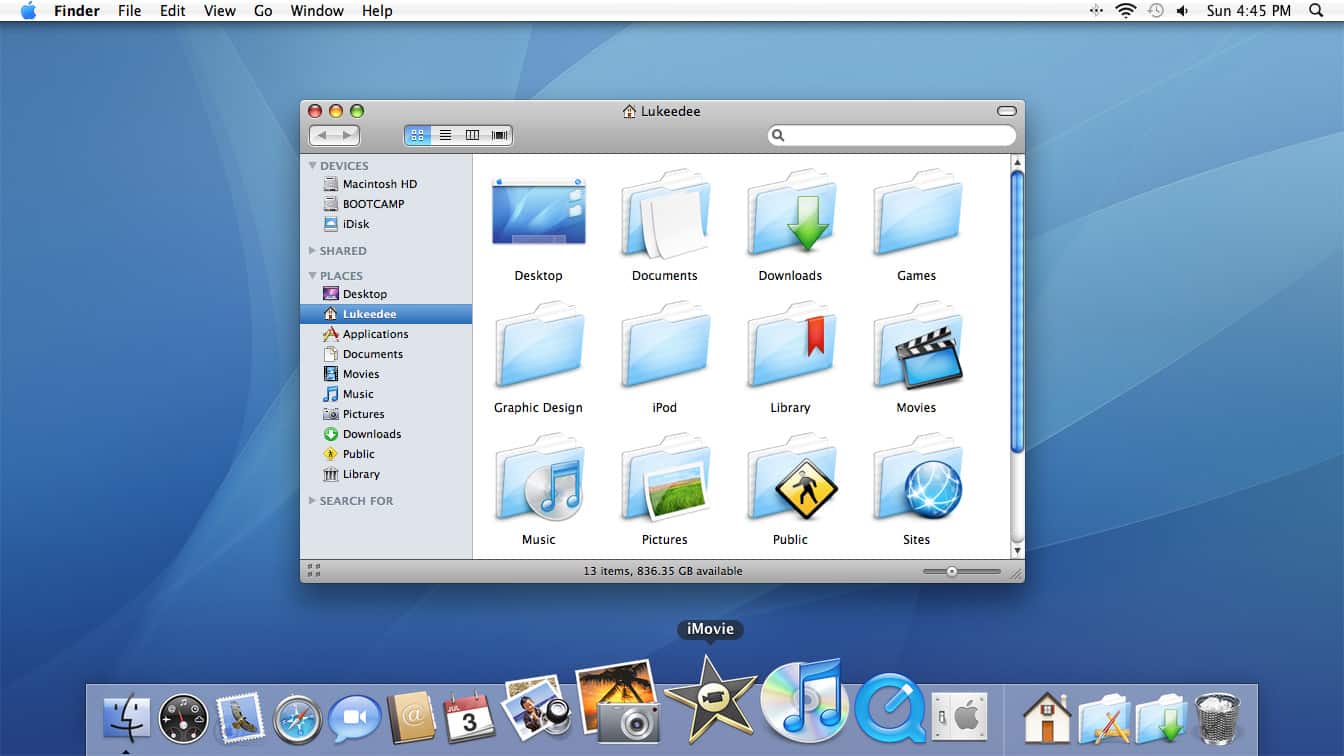
Currently, four Mac OS X-related products are available:

Mac OS X: This is the version most Macintoshowners should use. It is a consumer operating system designed for useon your personal computer. For more information, see Apple's Mac OS X page and Developer page forMac OS X.
Mac OS X Server: This is Apple's server operatingsystem. It is similar to the consumer release of Mac OS X, but alsoincludes a suite of network services, such as a print server, filesharing, QuickTime streaming, NetBoot, and advanced webhosting. For more information, see Apple's Mac OS X Server page.
iOS: Based on Mac OS X, versions of iOS run on theiPhone, the iPod touch, and the iPad. The iOS was designed forhandheld devices, and is much more tightly controlled than otherversions of Mac OS X. Despite their shared origins, applications(apps) developed for iOS are not compatible with Mac OS X, and viceversa.
Darwin:Darwin is the Unix-likefoundation upon which Mac OS X is based. Its code is opensource, and it is available as a stand-alone operatingsystem. Although Darwin will run many Unix applications, including theX Window System, it does not have the Mac OS X interfaceand thus will not run Mac OS X applications. For more information, seeApple's Developer Open Sourcepage.
Pearl Linux OS has been available for free download since 12/2014 with our first release simply titled Pearl Linux. It was based on the 14.04 released version of Ubuntu. That release was using the XFCE desktop environment. Since then we now offer the MATE, GNOME, LXDE and soon to come our own DE PDE which is a DE that revolves around the Compiz Window Manager and uses elements from LXDE and XFCE4 desktops. Since the release of Pearl OS 3.0 we are now maintaining our own repository on site. The reason I felt Pearl was needed early on was the overall exceptance from the developer communities to allow pretty much Compiz to disappear. With the Linux platform you may if you choose, to maintain your own repository that can be added to whatever Linux base you choose to build on to maintain the elements you choose to keep active. Thankfully many others felt the same as I did and Compiz these days is widely exepted.
These days its not that easy to find many distros still using compiz for the desktop effects. Since the start of Pearl over a year ago every release at least has the option to use compiz. When using compiz it does require a bit more of the computer power to run smoothly however I, like many others really do like at least the option to play a little. For newbies to Linux there is a word of caution I'll through out there, if playing around beyond what we setup as default beware you may end up with a computer that simply wont respond at all. For this reason we have a file in your home directory called ' Pearl-Compiz-Default-Settings'. It's very easy to regain control if you went a bit too far while playing with the more wild effects offered through the compiz window manager.
Mac Os X Unix
For many years now I modeled Pearl as a mix between Linux Mint / Ubuntu for the system level workings. In short Ubuntu is used as the Linux Mint backend as well but like the looks of Linux Mint...acually I love Linux Mint and their awesome developer. Now as for Ubuntu...their not ranked so high for no reason. Very stable is why they are a big part in Pearl's exisistance. Not to mention the security of the system itself is maintained by them as all derivitives from Ubuntu is. What was lacking was the look and feel of Mac OS X as the main layout as Linux Mint is more like a Windows layout. Also I liked OS X in the Snow Leopard days so I keep that option inside Pearl on all releases to acually come pretty close to what Snow Leopard was back in the day. I'm not about the FLAT look which Linux has been on that kick for some time now can't wait till their is something to replace that one day. To me some themes are so flat all windows get lost inside each other... yuck. That being said, thats why everyone will soon migrate to Linux from both Mac and Windows and that is the users choice. You can make your own Linux with the tools we provide you on all of our releases. Currently we use wasta-remastersys to create our images.
Unix For Mac Os X
We have a small basic user manual now available at http://www.pearllinux.com/Pearl3.0UserManual.
Mac Os X Unix Commands
There are many versions of Pearl available for download at SourceForge.net Follow the link below to browse the many versions currently available. Each release has all the detailed information about that release at sourceforge.